Handwriting is for Thinking, Typing is for Producing
Holding a thick sheet of blank paper. The smell hits you instantly. Placing it on the writing pad in front of you. Taking a pen, touching it to the paper, and watching it dance across the canvas. Spilling smooth ink and wobbly thoughts.
Writing by hand (longhand) is and will always be special. Yes, it has gone from being the ‘only way’ to a practice people deploy out of habit, nostalgia, or certain wonderful benefits. Here’s my experience in a world filled with keyboards.
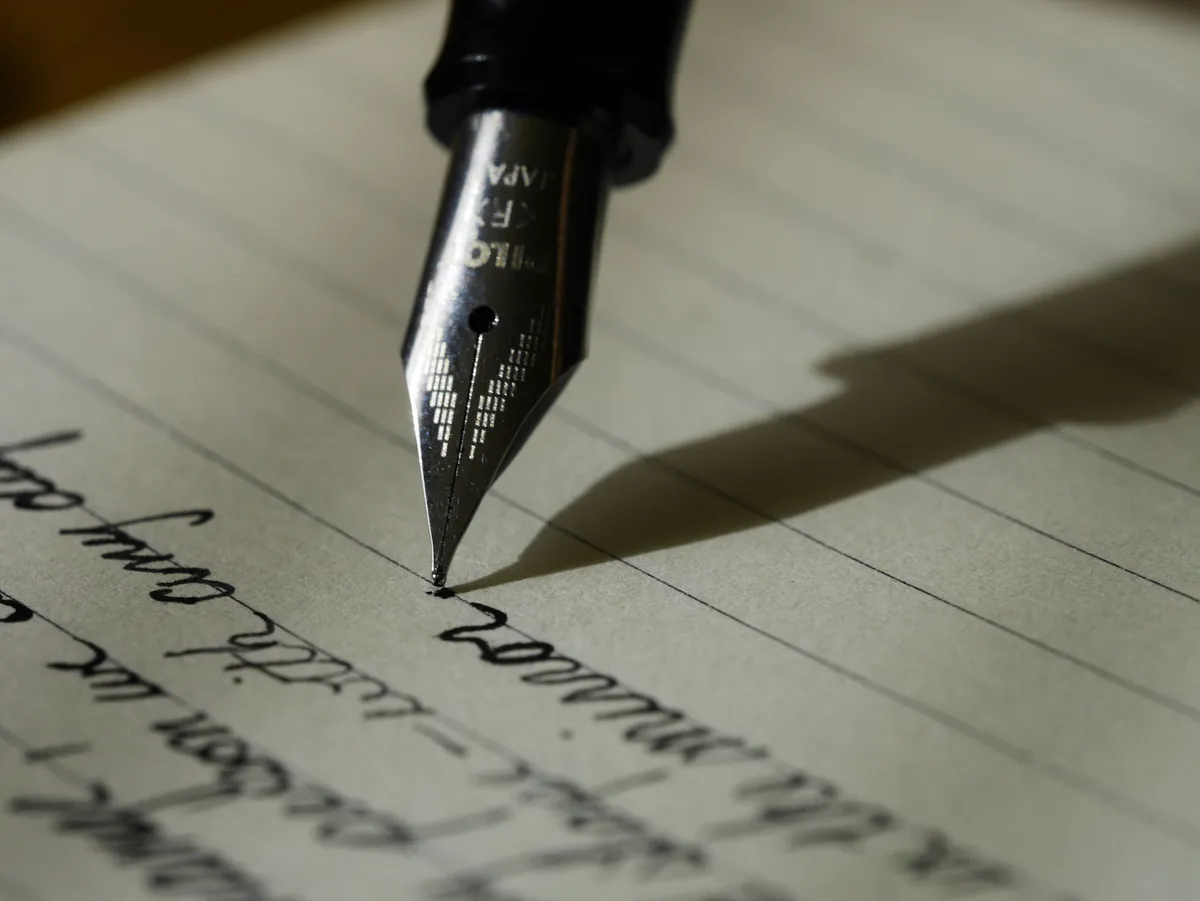
Handwriting: Where thinking happens
Slow is great. Writing by hand slows you down. For ideation, plotting, summarizing, outlining, and many other things, that can be beneficial.
From my experience, that interval between wanting to write something down, and the act of doing it, acts as the first ‘in flight’ edit. I have paused mid-sentence, and written a different one. It would be hard to believe that this isn’t common.
Choosing words deliberately. Writing by hand makes you choose carefully. Usually. This is especially great when you want to keep the writing simple. Long words? Sure, only if you really want to use them with your target audience in mind. And if you’re like me, you may realize how auto-correct has ruined spellings for a lot of us. Which is a great segue to the next point.
Spellings don’t matter. I lied, they do. But not when you’re trying to wrestle and coax wonderful ideas and painful dialogue from your head into the physical world. Flow matters more. Same for grammar, assuming you will fix it eventually.
Drawing and writing Few things have the power of conveying so much information, with so little ink, as the humble arrow. That’s just one example, of course. The ability to draw gives us superpowers for organizing ideas, connecting abstractions, or just creating fantastically powerful swords in the margins.
Typing: Getting it done
Writing against time. Writer’s block, bad dialogue, too much information to convey. Whatever our reasons may be, there are times when we simply want to power through things. Smash the chains and break free, even if it’s just for a moment. To let the rest of the writing flow. Especially if you’re up against the most ruthless and relentless enemy in the world: time. Typing is amazing at building the momentum for this. Speed truly helps. Even if you write a load of crap at high speed for a while. Getting it out quickly is a form of healing. And sometimes the only way to pay your bills if you are a full time writer.
Good looking writing. If you’re motivated by seeing your writing presented cleanly, with a crisp font, and perfect spacing, then well, typing is a wonderful motivator. I’ve found this to be especially true for writing at work. Seeing information organized the moment it’s on the ‘page’ makes it easier for the rest of it to follow in an orderly manner. This can be a trap if you’re not careful. In A Promised Land, Barack Obama has said that he prefers writing longhand for first drafts because anything typed up can look great. Even bad stuff.
AI and Agents. I was hoping I could avoid the dreaded ‘A’ word in this post. But it’s just too relevant. Typing and typed input is crucial for providing context to agents and chatbots. While you can certainly send photos of your notebook pages as input, it’s likely going to be a much slower conversation. And you would be relying on AI to understand your handwriting (that makes this method DOA for me).
Do both?
Yes. Just not for the same thing.
Writing is a form of thinking. And the best way to think is often writing by hand.
(This post was outlined on a piece of eInk paper, then typed.)